UK considers war bonds for defense as hedge funds increase short positions
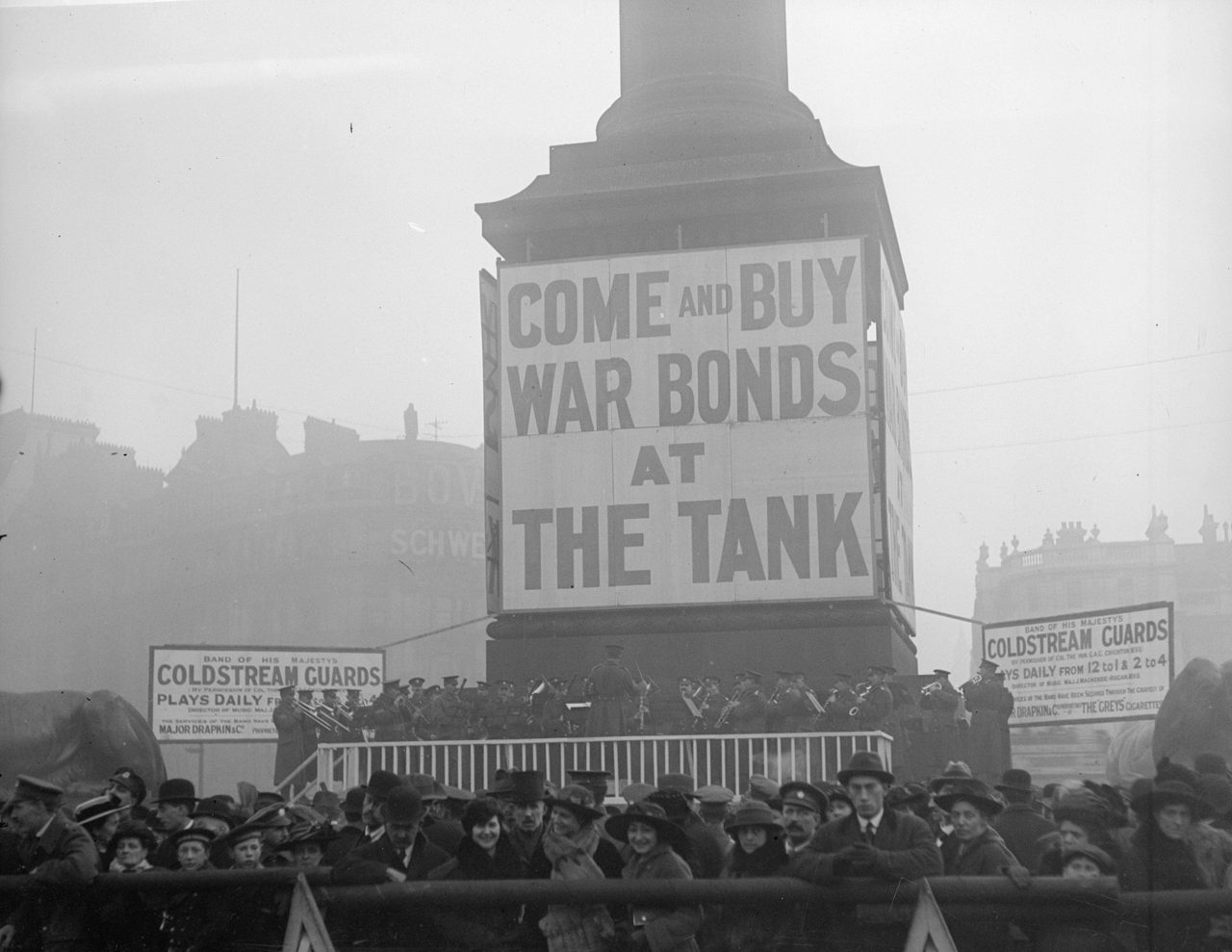
Prime Minister Andy Burnham and Chancellor John Healey are exploring retail war bonds to fund a defense buildup, a move that has triggered a fivefold surge in hedge fund short-selling against British equities.
Prime Minister Andy Burnham and Chancellor John Healey are exploring the issuance of retail war bonds to finance increased defense spending. The proposal has immediately unsettled broader equity markets, even as security stocks rally on Healey’s appointment.
Hedge fund short-sellers have significantly increased their bets against UK-listed companies this year. Disclosed short positions surged fivefold during the first half of 2026, reflecting deep investor skepticism about the government's fiscal strategy and its pledge to establish a new economic model.
Former Bank of England chief economist Andy Haldane, who is advising Burnham, suggested the scheme could tap into the £2 trillion held in British bank deposits. He proposed extending tax incentives, such as higher individual savings account thresholds or pension relief, noting that a quarter of the public is willing to participate.
However, historical precedent offers a stark warning for retail investors tempted by the idea. During the First World War, Chancellor David Lloyd George marketed a 1917 loan with the promise that investors ran no risk, raising £2.5 billion from three million people.
That debt was eventually converted into perpetual bonds with lower coupons by Neville Chamberlain in 1932. When the remaining £1.9 billion was finally redeemed by George Osborne in 2014, inflation had eroded the original investment so severely that £100 was worth just £2.
The current push for defense funding follows Healey’s resignation as defense secretary last month in protest over Treasury spending limits. His subsequent move to the chancellorship is viewed by markets as a direct signal that security stocks will benefit from elevated government expenditure.
Critics argue the scheme merely obscures the government's underlying borrowing requirements. Former prime minister Rishi Sunak argued against the plan, stating that war bonds are "just borrowing by another name" and warning that it would be foolish to test the market's appetite for additional debt.
Burnham has also signaled a more assertive foreign policy, stating he would confront US President Donald Trump if necessary to defend British national interests. Investors will be watching closely as the Bank of England delivers its rate decision on July 30 to gauge the broader economic stability of this new direction.