Bayreuth Festival confronts Nazi past and warns of democratic decay at 150th
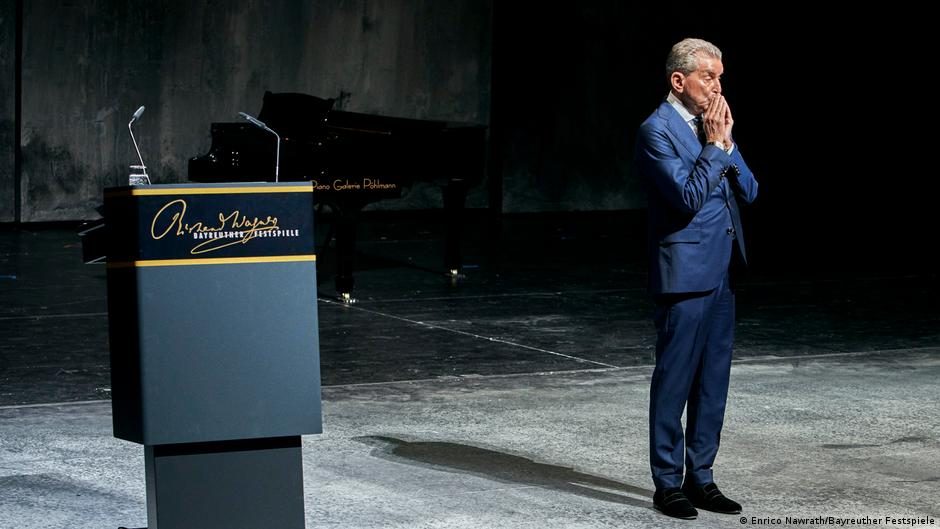
The 150th Bayreuth Festival opening featured prominent political and cultural figures confronting Germany’s Nazi history, signaling that the defense of democratic institutions and diversity is now central to the nation's public life and societal stability.
The 150th Bayreuth Festival opened with a stark confrontation of Germany’s history and urgent warnings about the present state of democracy. During the two-day celebration, cultural and political leaders used the platform to address the legacy of the Nazi regime and the resurgence of nationalist politics that threaten societal cohesion.
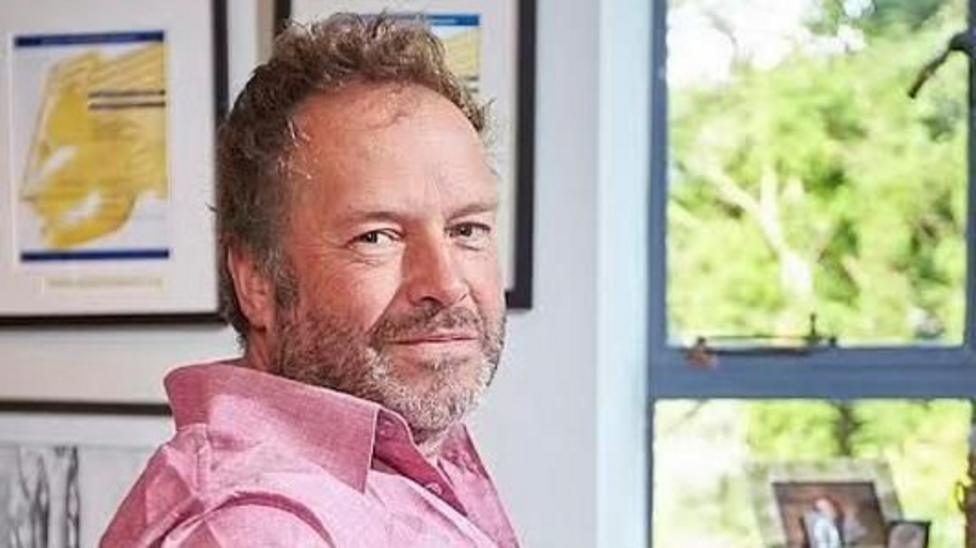
Friedman, whose family was largely murdered during the Holocaust, spoke during an event titled "Silenced Voices." He criticized a "bored, decadent democracy" and argued that the mechanisms fostering hatred rely on societal passivity, making his message as much about current political vulnerabilities as historical omissions.
"My country, Germany, is a community defined by diversity, and diversity has once again become a concept that is under heavy attack," Friedman stated. He urged listeners and the silent majority to become active witnesses before it is too late, framing this inclusion as the only viable future.
Katharina Wagner directly addressed her family’s deeply personal ties to the Nazi regime and the festival’s historical role as a cultural showcase for the Third Reich. She used the stage to explicitly reject the far-right forces currently seeking to embed antisemitism, racism, and nationalism into the state.
The anniversary drew high-profile political attendance, including Chancellor Friedrich Merz and former Chancellor Angela Merkel. Merz noted that engaging with Richard Wagner’s work forces society to confront both the admirable and questionable aspects of the national past, a necessary exercise for a mature democracy.
Inside the auditorium, a mural by Hungarian street artist Adam Heat visually encapsulated this complex history. The artwork depicts King Ludwig II funding the festival, alongside historical conductors, the Wagner family, and Adolf Hitler. Nike Wagner, the composer's great-granddaughter, noted that taking a seat in the hall means sitting with all those who have sat there before.
Outside the venue, new gray memorial steles were placed beside Richard Wagner’s bust to honor the persecuted artists. The festival's leadership and local Jewish community members visited the exhibition, signaling a definitive shift in how the institution manages its historical legacy and public responsibility.