Warming coastal waters expand Vibrio infection risks across Europe
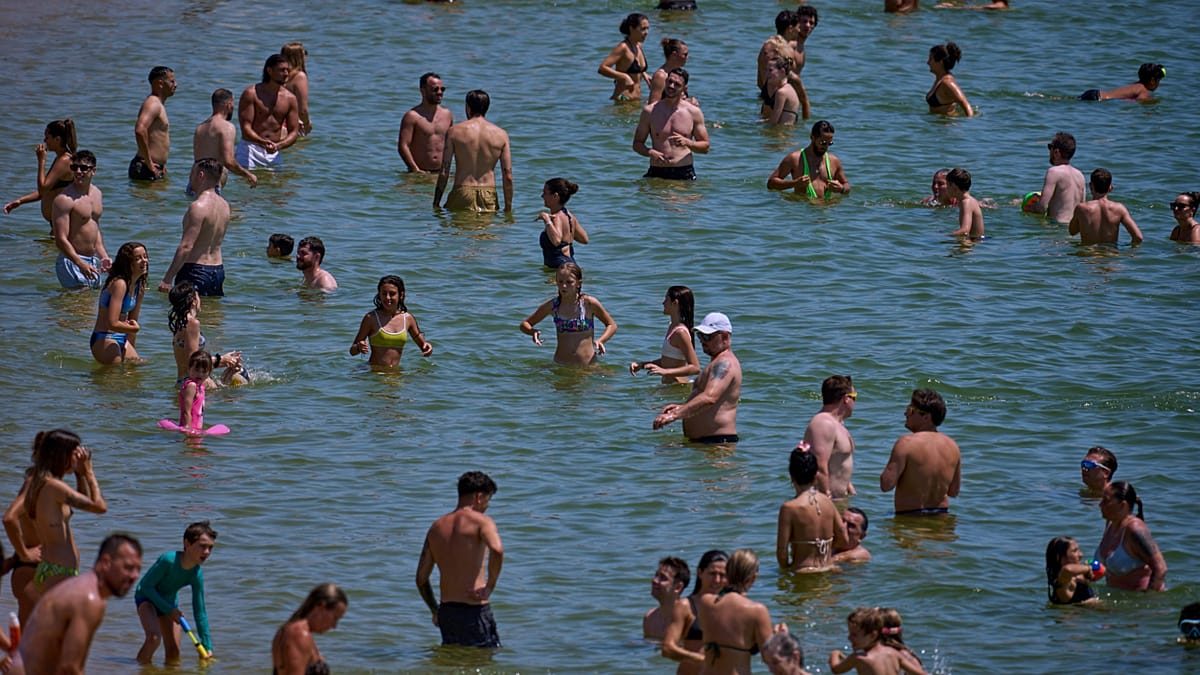
The European Centre for Disease Prevention and Control warns that rising summer water temperatures are expanding the habitat of harmful bacteria, posing new public health and seafood safety challenges for coastal communities.
Soaring summer temperatures across Europe are increasing the risk of water-related infections, prompting new warnings from health authorities. The European Centre for Disease Prevention and Control (ECDC) reports that warmer coastal waters with low salinity are creating favourable conditions for bacteria to thrive.
A primary concern is vibriosis, caused by bacteria of the Vibrio genus that naturally occur in coastal waters during peak summer months. These pathogens multiply rapidly in estuaries and river mouths, and can contaminate raw or undercooked shellfish, particularly oysters.
This shifting disease distribution carries implications for public health systems and the European seafood industry. While the overall risk of contracting these infections remains low, severe cases involving species like Vibrio vulnificus can cause serious tissue infections, earning it the moniker 'flesh-eating bacteria' in rare instances.
The ECDC notes that individuals with weakened immune systems, chronic liver disease, or other underlying health conditions face a higher risk of serious illness. For these demographics, strict precautions regarding swimming and seafood consumption are essential.
Health experts emphasize that most infections are preventable through basic measures. The agency advises against swimming with open wounds, cuts, grazes, or recent piercings, as bacteria can enter through broken skin.
If water contact is unavoidable, covering injuries with a completely waterproof dressing is recommended, followed by washing the area with clean fresh water. Additionally, thoroughly cooking seafood and avoiding raw oysters significantly reduces the risk of Vibrio infection.
Although the Baltic Sea and specific European estuaries currently present the most favourable conditions for bacterial growth, the threat is expanding. Climate-driven warming of coastal waters is gradually extending the geographic range where these bacteria can survive, requiring sustained monitoring throughout the summer bathing season.