FIFA pitches debt and expanded tournaments to sell commercial rights stake
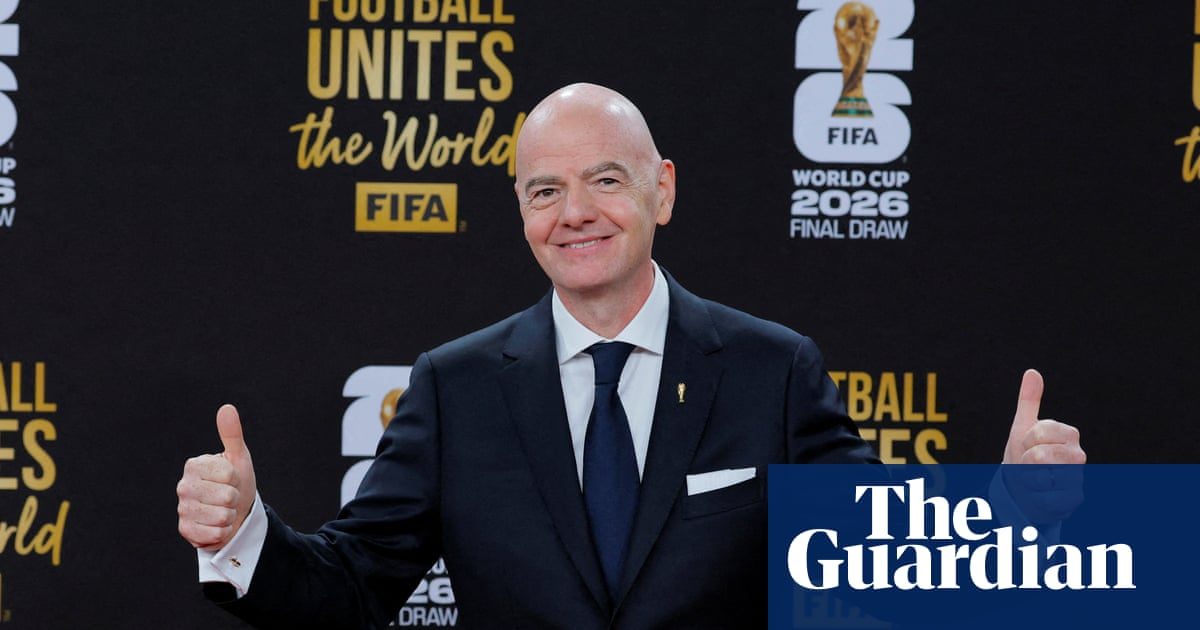
Football’s global governing body is offering member associations immediate cash payments in exchange for backing a controversial plan to sell a fifth of its commercial rights to a US investor while taking on debt and doubling its tournament schedule.
FIFA has sent a 25-page prospectus to its 211 member associations proposing the creation of a new company to manage its commercial operations. The document outlines a plan to sell a 20 percent stake in this entity to US investor Joshua Kushner, the brother of Jared Kushner.
To secure approval, the governing body is offering a $20m sign-up payment to each member association, potentially available by January. The prospectus, titled "Fifa Forward Enterprise Member Materials", projects that four-year distribution payments will rise to $24m per member by the 2035-39 cycle.
Achieving this financial growth relies heavily on debt financing and third-party capital, according to the deck. This strategy has confused some senior figures within the organisation, who question the need for borrowing given FIFA’s $4bn in cash reserves and $15bn in accumulated revenues over the current four-year cycle.
The document states that revenue will be driven by a "growing tournament portfolio" and prioritising "high yield" events. This includes more than doubling the number of global tournaments from 200 to 450 annually, a move that risks exacerbating player workload concerns. It also hints at moving major broadcasts like the World Cup to subscription or streaming platforms to optimise media rights.
US bank JP Morgan, which previously backed the failed European Super League, co-produced the prospectus. The bank argues FIFA is "undermonetized" and compares its $3.6bn annual revenue to private club leagues like the NFL, MLB, and NBA, rather than other sports governing bodies.
For European investors and markets, the involvement of JP Morgan and a Kushner-linked investor signals a deepening financialisation of global sports governance. The push to treat a non-profit governing body like a private franchise aims to unlock new capital streams, shifting how the continent's most popular sport is monetised and distributed.
The prospectus has already sparked backlash regarding its timeline and missing details. Investors are promised term sheets in August before members vote, yet the document omits the investor group's identity, projected returns, and exit terms. Furthermore, the 25 pages contain only a single reference to the women’s World Cup.