Private firms join universities to develop tech for submerged Roman city
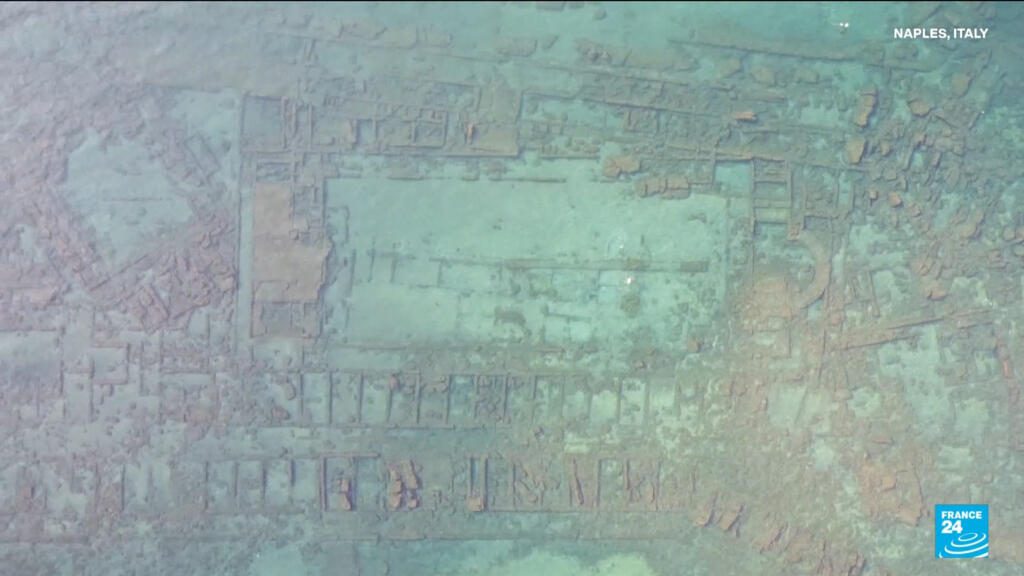
Academic institutions and private companies are partnering to build new technologies to explore and preserve a sunken Roman thermal resort near Naples.
A consortium of academic institutions and private enterprises is developing new technology to explore a submerged Roman city off the coast of Italy. The initiative focuses on mapping and protecting the sunken ruins without causing further damage.
The universities of Naples and Salerno have launched a dedicated research programme to study the site. They are working directly with several private companies to design and build the specialized equipment required for the project.
The ruins are located approximately 30 kilometres to the west of Naples. The area was once one of the most prestigious coastal thermal resorts in the entire Roman Empire.
Over time, the settlement gradually sank below sea level. This subsidence was a direct result of the highly volcanic nature of the surrounding region.
Despite its submerged state, the site continues to reveal new archaeological secrets. Accessing and documenting these fragile structures requires the development of entirely new technical solutions.
This collaboration highlights a specific commercial opportunity for the participating private companies. Developing new technology for complex underwater environments allows these firms to expand their capabilities in the marine surveying sector.
The challenging volcanic environment of the submerged site serves as an ideal testing ground. Tools proven effective in this difficult coastal zone can subsequently be applied to other marine research projects.
For the regional economy, the research programme bridges the gap between academic heritage preservation and private sector innovation. The involvement of private companies ensures that the technical burdens of the excavation are shared with public institutions.
Ultimately, the effort to understand the sunken thermal resort is driving technological advancement. The resulting tools will allow researchers to protect exceptional historical heritage while generating commercial value for the technology partners.
The development of new technology for this research programme requires significant coordination between the academic and private sectors. The universities of Naples and Salerno provide the historical expertise, while the private companies supply the engineering capabilities needed to operate underwater.
This synergy ensures that the exceptional heritage of the Roman Empire is protected for future generations. At the same time, it allows private firms to refine their technological offerings in a real-world environment.