Victorian children's book offers enduring lessons on grief
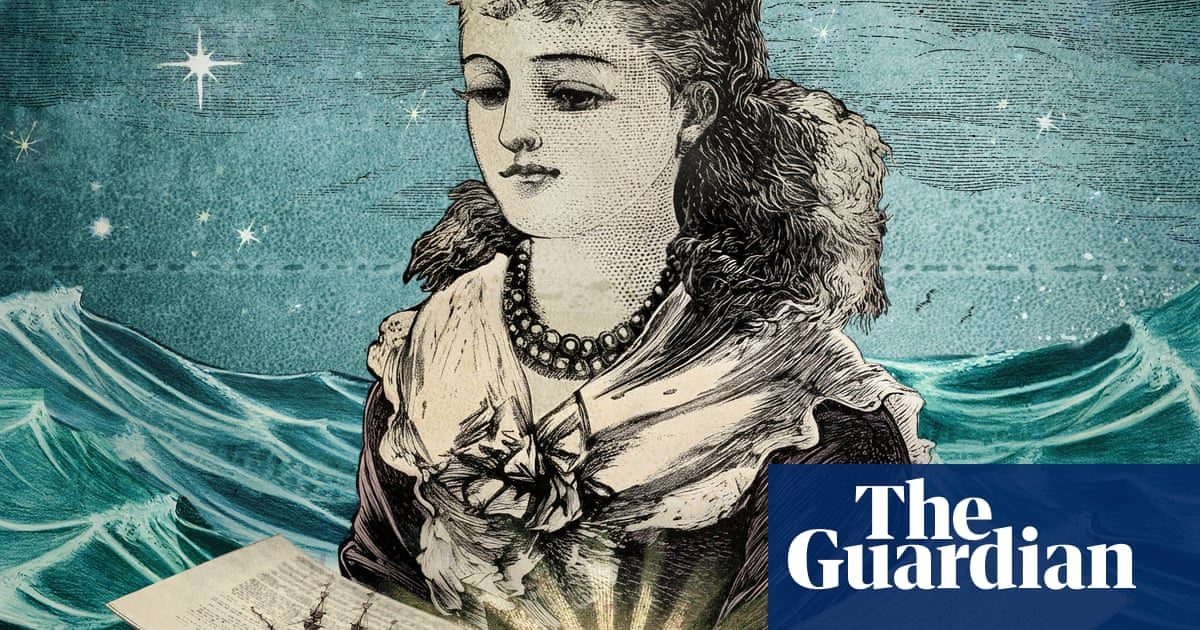
A university lecturer’s emotional breakdown while teaching Mary Lamb’s Mrs Leicester’s School highlights the continued cultural and commercial relevance of 19th-century literature.
A university lecturer recently broke down in tears while delivering a lecture on early children’s literature to a group of undergraduate students. The emotional moment centered on Mrs Leicester’s School, a largely forgotten collection of pre-Victorian stories by the English writers Mary and Charles Lamb.
The lecture took place shortly after the lecturer’s father died from liver failure following decades of severe alcoholism. The experience demonstrates how historical texts continue to offer vital frameworks for modern readers navigating complex emotional experiences and profound family loss.
Mary Lamb, who co-authored the collection, experienced severe mental health struggles during her lifetime that heavily influenced her work. In 1796, she killed her mother during a psychological breakdown, an event that ultimately led her brother Charles to become her legal guardian and pivot the pair toward writing.
Despite this turbulent personal history, their literary output has shown remarkable longevity in the modern retail market. While Mrs Leicester’s School is far less recognized today, major high street booksellers like Waterstones continue to actively stock the siblings' more famous adaptation, Tales from Shakespeare.
During the recent university lecture, the academic focused on a specific, emotionally intense story within the collection titled Elizabeth Villiers, or The Sailor Uncle. The narrative follows a young girl whose father represses his grief over his wife's death until a visiting relative breaks down at the mother's grave, prompting the father to finally process his loss.
The story concludes with the father imparting a stark lesson to his daughter about the necessity of compassion. He tells her: “Let it be a lesson to you to be as kind as possible to those you love; and remember, when they are gone from you, you will never think you had been kind enough.”
The lecturer noted that recounting this specific conclusion caused him to weep openly in front of his two dozen students. Rather than reacting with embarrassment to the display of emotion, the students remained deeply engaged, with some sharing in the emotional resonance of the centuries-old text.
The incident underscores the broader cultural utility of the humanities within the modern higher education sector. By engaging with historical archives, students and academics continue to find a shared vocabulary for universal human experiences, proving that classic literature remains a vital public resource for emotional literacy.