German tourism revenue shifts to smaller, car-free regional islands
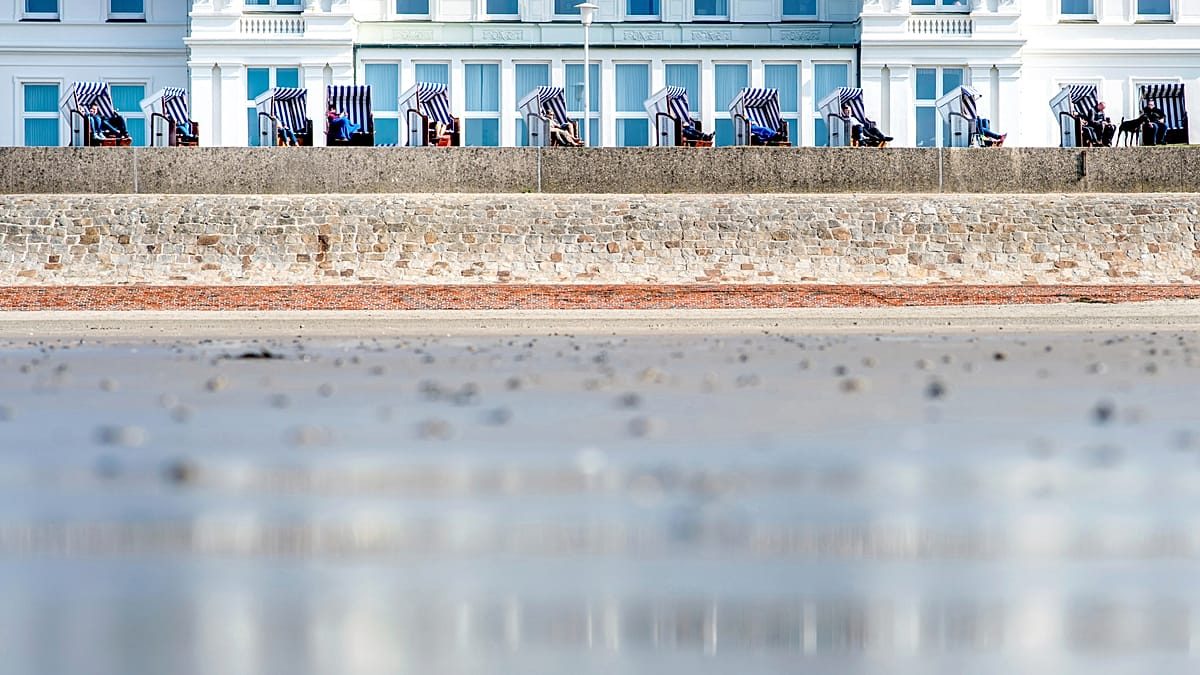
As travellers increasingly reject overcrowded resorts like Sylt and Rügen, Germany’s smaller islands are capturing a growing share of the domestic tourism market, redistributing economic benefits to quieter regional economies.
German holidaymakers are increasingly bypassing traditional mass-tourism hubs like Sylt, Rügen and Usedom in favour of the country's smaller, lesser-known islands. This shift is driving a decentralisation of domestic tourism revenue towards municipalities that prioritise nature and low-impact travel over high-volume hospitality.
For regional economies, this trend provides a vital alternative to the infrastructure strain caused by overtourism in major coastal resorts. Smaller islands are capitalising on the growing consumer demand for slow living, creating sustainable business models that rely on high visitor satisfaction rather than maximum footfall.
In the Baltic Sea, islands such as Hiddensee and Ummanz are leveraging their car-free policies and natural landscapes to attract short-break visitors. Hiddensee measures just 17 kilometres long and restricts motorised traffic to bicycles and horse-drawn carriages, while neighbouring Ummanz draws nature-focused tourists with its autumn crane migrations.
Strict capacity limits are also proving economically viable for local operators. Vilm, a strictly protected nature reserve off the coast of Rügen, caps daily visitor numbers and requires guided tours, demonstrating that scarcity can drive premium, low-impact tourism.
Similar low-volume models apply to Neuwerk in the Wadden Sea, where overnight stays offer complete silence and historic 14th-century lighthouse accommodations. The East Frisian archipelago is seeing similar economic benefits from its car-free infrastructure across islands like Baltrum, Spiekeroog and Juist. These municipalities rely on horse-drawn carts and bicycles, reducing road maintenance costs while appealing to travellers seeking unspoilt dunes.
This redistribution of tourism spending is not limited to coastal regions. In southern Germany, the Chiemsee islands are capturing domestic travel demand without requiring a trip to the sea, proving that regional lake economies can compete with coastal resorts.
Fraueninsel draws visitors to its historic Benedictine convent and local arts and crafts shops, supporting small-scale retail and heritage preservation. Meanwhile, the uninhabited Krautinsel remains a protected habitat, and the larger Herreninsel balances high-volume palace tourism with quiet, forested walking trails.
Ultimately, the rise of these smaller destinations reflects a broader European shift in consumer behaviour. Travellers are willing to pay for peace, strict environmental protections and decentralised experiences, forcing the wider hospitality sector to rethink the traditional mass-market resort model.