Rotterdam’s North Sea Jazz Festival turns 50, balancing legacy and growth
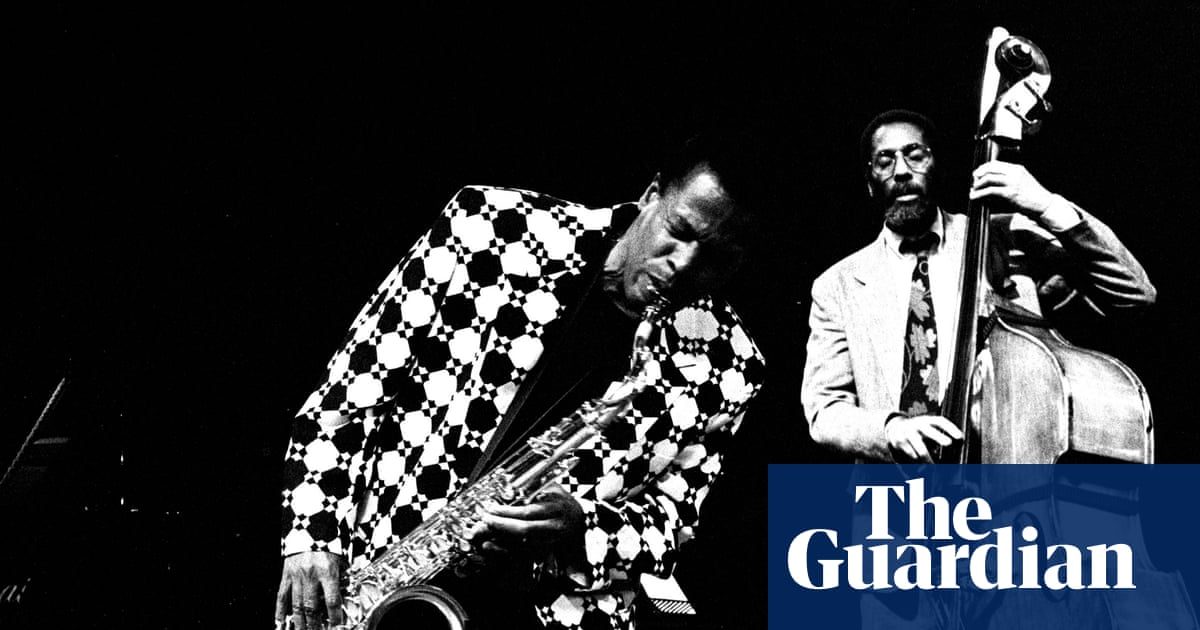
The North Sea jazz festival celebrates its 50th anniversary in Rotterdam this weekend, offering a case study in how a niche music event scales to 90,000 attendees without losing its artistic core.
The North Sea jazz festival opened its 50th edition this week at the Ahoy Rotterdam warehouse complex, hosting more than 1,000 artists for an expected audience of 90,000. Founded in 1976 by publishing magnate Paul Acket, the event has grown from a late-night concert venue in The Hague into a major fixture on the European cultural calendar.
Sustaining a jazz festival for half a century requires careful commercial and artistic balancing. Senior programme manager Sander Grande notes that 80% of attendees return annually, creating a reliable revenue base, but forcing programmers to constantly recruit younger demographics. This year's lineup stretches from fusion guitarist Pat Metheny to Nigerian Afrobeats star Burna Boy.
This strategy distinguishes North Sea from peer European festivals like Montreux or the New Orleans jazz and heritage festival, which have recently leaned heavily into mainstream pop with headliners like Lorde and Zara Larsson. “We have to reflect the changing times, but I actually believe we’re currently in a golden age of jazz,” Grande says.
The festival's enduring commercial appeal lies partly in its unique format, specifically the late-night sessions at the nearby Bird club. Robert Glasper, a Grammy-winning pianist who has played the event roughly 15 times, describes these impromptu jams as the festival's primary competitive advantage. “Having a jam session is integral to a jazz festival, and to what this music actually is, which involves coming up with material on the spot,” Glasper says.
Over the decades, those late-night hours have produced legendary crossover moments that drive enduring media attention and ticket sales. Prince took over the venue for three consecutive nights in 2011, while the late trumpeter Roy Hargrove famously played early-morning sets with Erykah Badu and D’Angelo in the 1990s. Veteran pianist Kenny Barron even recalls landing a European tour in the late 1970s after a chance lobby encounter when a band's pianist dropped out.
Looking ahead, the festival continues to bet on spontaneous collaboration over strict genre boundaries. Glasper will return in 2026 for three shows in different configurations, including performances with Questlove and Christian McBride playing entirely new material. For first-time performers like American saxophonist Alden Hellmuth, the draw remains the opportunity to join a living lineage. “I grew up studying clips of masters like Joe Henderson and Kenny Garrett playing on the North Sea stage,” Hellmuth says. “It feels like a place where everyone is at the top of their game.”