Reform UK demands tighter security for MPs following Widdecombe murder
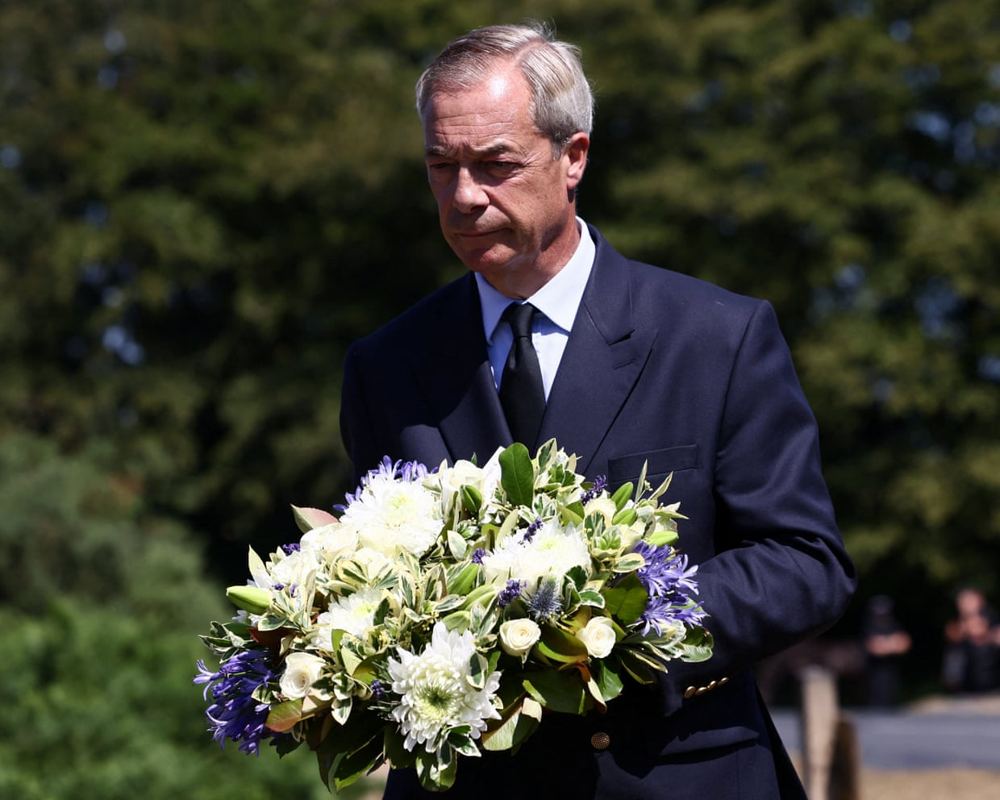
The party has criticised Commons speaker Lindsay Hoyle over alleged safety shortcomings, highlighting growing concerns over the protection of elected officials in the UK.
Reform UK has ignited a formal dispute over the safety of members of parliament, directly criticising Commons speaker Lindsay Hoyle. The political party argues that its elected representatives are not being provided with adequate security measures within the current parliamentary system.
This public intervention follows the murder of Ann Widdecombe, an event that has sharply escalated anxieties regarding the physical safety of public figures. The tragedy has prompted immediate and intense scrutiny of the protective protocols currently in place for lawmakers across the United Kingdom.
In response to the mounting political pressure, the speaker’s office has begun communicating its official position on the matter. Journalists Pippa Crerar and Kiran Stacey have reported on the specific explanations being offered by Hoyle’s team regarding the existing security frameworks.
The developing row underscores a critical vulnerability in the daily operations of the UK legislature. When political parties publicly question the baseline safety of their representatives, it signals a potential breakdown in the standard protective duties owed to elected officials.
Implications for Democratic Stability
For the broader European context, the stability of democratic institutions relies heavily on the secure functioning of their legislative bodies. Any perceived failure in safeguarding lawmakers can erode public confidence and disrupt the normal legislative process essential to governance.
Reform UK’s public stance forces a necessary examination of how parliamentary security is allocated, evaluated, and managed behind the scenes. The coming days will likely reveal whether Hoyle’s team can adequately address these serious concerns.
Alternatively, the party may demand further systemic changes to parliamentary protection policies to prevent future tragedies of this nature. The discussion surrounding these security failures has been amplified through media channels, including a dedicated political podcast.
This platform has served as a primary venue for detailing the ongoing exchanges between Reform UK and the speaker’s office. As the debate intensifies, the pressure on parliamentary authorities to demonstrate robust protective measures will only increase.