Rauschenberg foundation donates sculptures to UK national collection
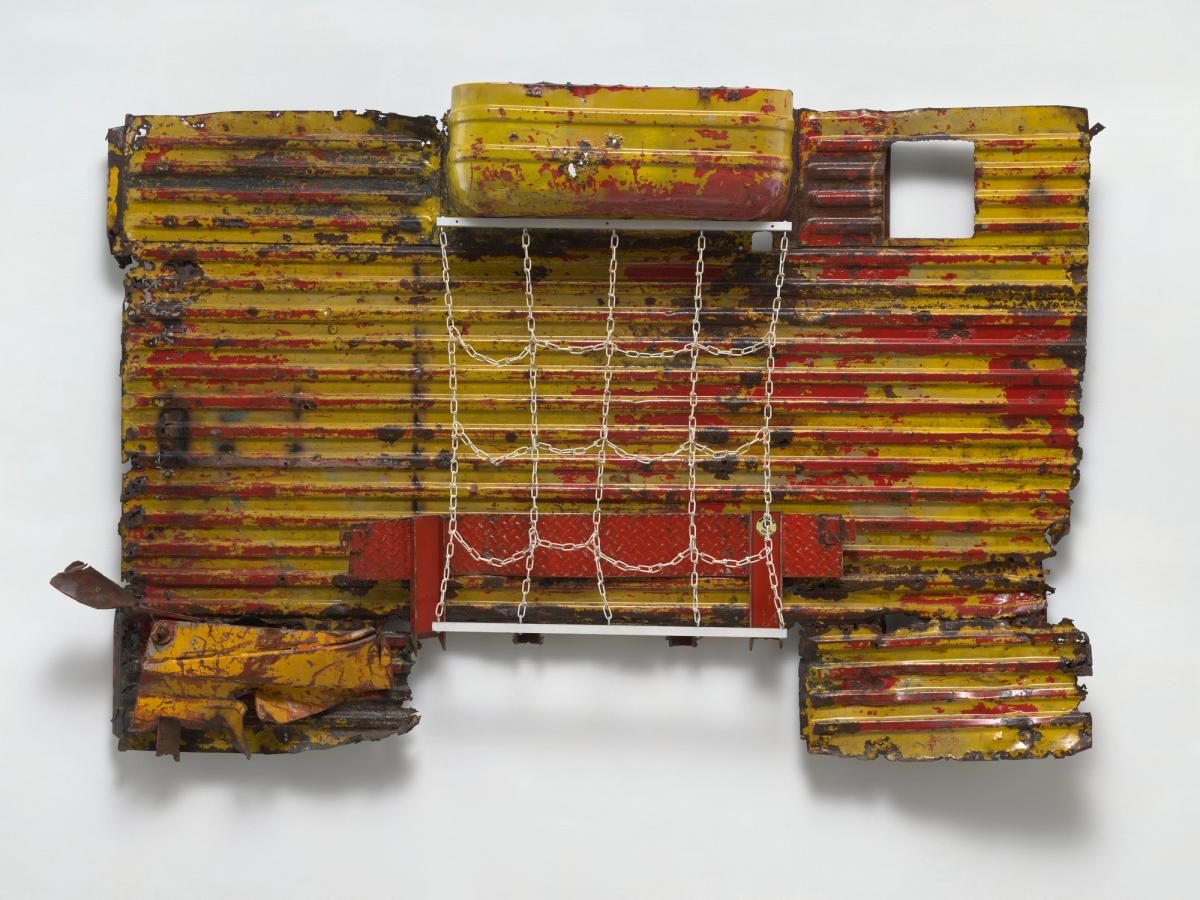
The Robert Rauschenberg Foundation has donated three major sculptures to the UK's shared national collection, adding high-value assets to a publicly funded network built on complex tax-efficient structures.
Three major sculptures by the late American artist Robert Rauschenberg have been donated to the Artist Rooms collection, a public asset jointly held by Tate and the National Galleries of Scotland (NGS). The works, G-I Glut (1986), Rasputin's Revenge Early Winter Glut (1987) and Mobile Cluster Glut (Neapolitan) (1987), will go on display at Tate Modern from September to December 2027.
The addition highlights the ongoing reliance of UK public institutions on hybrid financial models to acquire premium art. While characterised as a donation by the Rauschenberg Foundation, the founding of the Artist Rooms collection in 2008 operated as a tax-efficient sale and gift hybrid. London dealer Anthony d'Offay received £26.5m for 725 works that were valued at £125m, with additional backing from the National Heritage Memorial Fund, Art Fund, and both the Scottish and British governments.
The financial mechanics of the collection remain politically sensitive. Both Tate and the NGS permanently severed ties with d'Offay in 2020 following sexual harassment allegations from 2018, which he denies. Despite this troubled origin, the foundation of the collection represents a significant transfer of private wealth into the public sector at a steep discount to market value.
The newly acquired Gluts are constructed from found metal objects assembled and riveted together into freestanding sculptures and wall reliefs. According to Thaddaeus Ropac gallery, which co-represents the foundation, the series marks Rauschenberg’s earliest use of metal as a primary material.
The sculptures directly address the economic themes underlying their own acquisition. “It’s a time of glut. Greed is rampant. I’m just trying to expose it, trying to wake people up,” Rauschenberg said of the series. Courtney J. Martin, executive director of the Robert Rauschenberg Foundation, noted the works “ask us to look squarely at what we value and what we discard,” adding that “collaboration and intentionality were central to the artist’s ethos.”
From an economic perspective, the value of the Artist Rooms model lies in its distribution. Gregor Muir, Tate’s collection director, stressed that the works are not restricted to London and Edinburgh. They are instead made available to art organisations across the UK, maximising the public return on the initial investment and subsidising regional cultural infrastructure.