UK Prime Minister Burnham accelerates social care overhaul and hints at tax increases
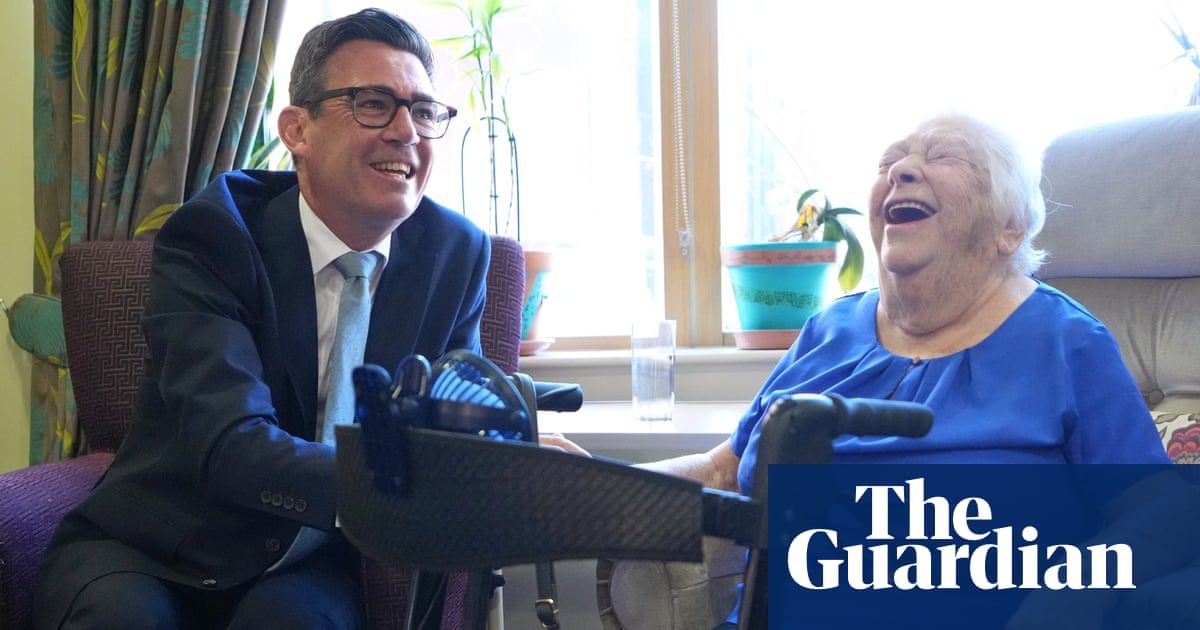
UK Prime Minister Andy Burnham has accelerated the timeline for a major overhaul of the adult social care system, signaling stricter regulation for private providers and potential tax increases to fund the reforms.
UK Prime Minister Andy Burnham used a speech at a Jewish care home in north London on Wednesday to announce an accelerated timeline for overhauling the country’s adult social care system. He pledged to publish recommendations for a National Care Service within 12 months, advancing a review led by Louise Casey that was previously scheduled for 2028.
The move carries significant implications for the UK’s private care sector and public finances. Burnham explicitly warned that he would not tolerate "profiteering" by private firms, which currently deliver the majority of social care in England, signaling a tighter regulatory environment for investors and operators in the industry.
Funding the overhaul will likely require new revenue, with Burnham openly testing the political appetite for tax increases. He suggested a collective contribution model to protect citizens' assets, acknowledging that publications like the Mail and the Telegraph would oppose the idea while questioning if the broader public supports it.
Beyond funding, the Prime Minister outlined plans to invest heavily in the social care workforce through improved pay and training. He emphasized that the reformed system must integrate more closely with the National Health Service and be structured around the specific needs of care users and unpaid carers.
Burnham acknowledged his own past failures on the issue, noting that his 2010 reform proposals collapsed amid political disputes over "death taxes." He argued that his generation of politicians had serially avoided the challenge, asking: “How have we got to a position where it’s too difficult to fix the basic care that we give to each other, that fellow human beings receive?”
While he backed Casey’s review completely, he remained vague on the final structure, stating it could be a "fully fledged" system or something in between. He also drew a stark comparison between the current English model and the privatised healthcare system in the United States, warning that vulnerable people currently "pay with everything and it can completely leave them with nothing."
Industry observers and campaigners noted that the Prime Minister refused to downplay expectations, generating optimism about the political will to enact change. The commitment to break a 30-year cycle of failed reviews suggests a definitive shift in how the UK government plans to manage its long-term care liabilities.